Mold Found During a Home Inspection: What to Ask For Before You Close
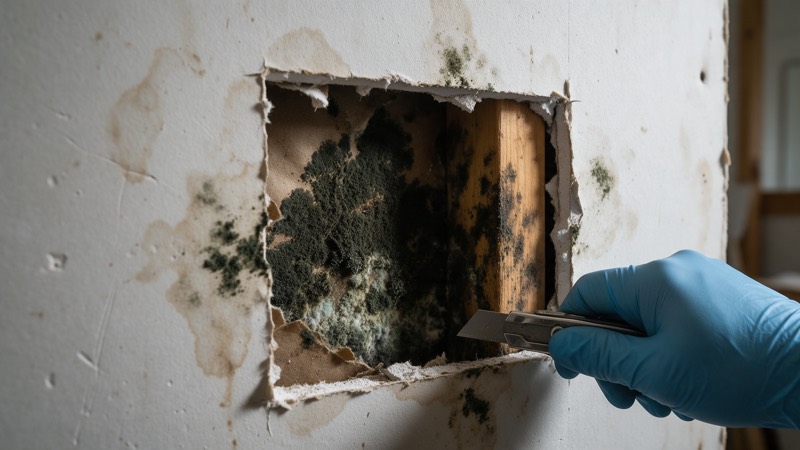
A line about mold on an inspection report feels like a dealbreaker. Usually it is a negotiating point. Here is how to find out which, with your own hands and a flashlight, before you sign anything.
Read the guide →Test Your Sump Pump in 5 Minutes (Before the Next Storm Does It For You)
Most sump pumps fail quietly, on a dry day, and nobody finds out until the storm. A bucket of water and five minutes tells you whether yours will start. Here is the test, the cleaning, what the parts cost, and the signs that mean it is time for a professional.
Read the guide →Two Weekend Jobs That Keep Water Out of Your Basement for Good
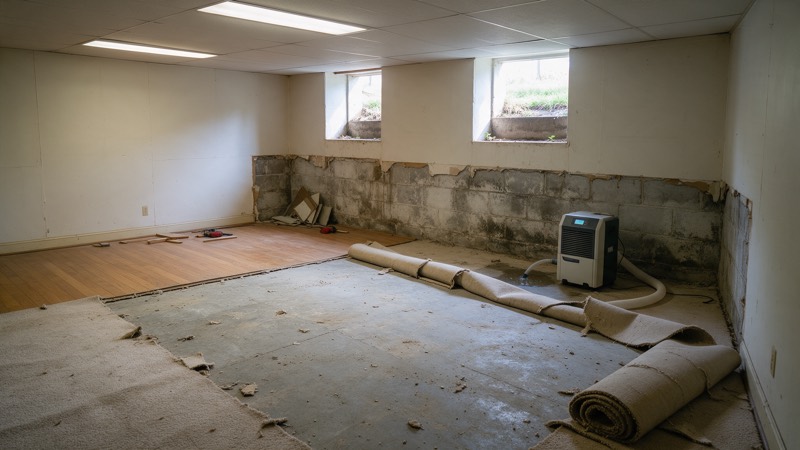
Before anyone sells you interior drainage, spend two Saturdays on the gutters and the dirt. Here is how to do both, what the supplies cost, and how to tell when the water is coming from somewhere a shovel cannot reach.
Read the guide →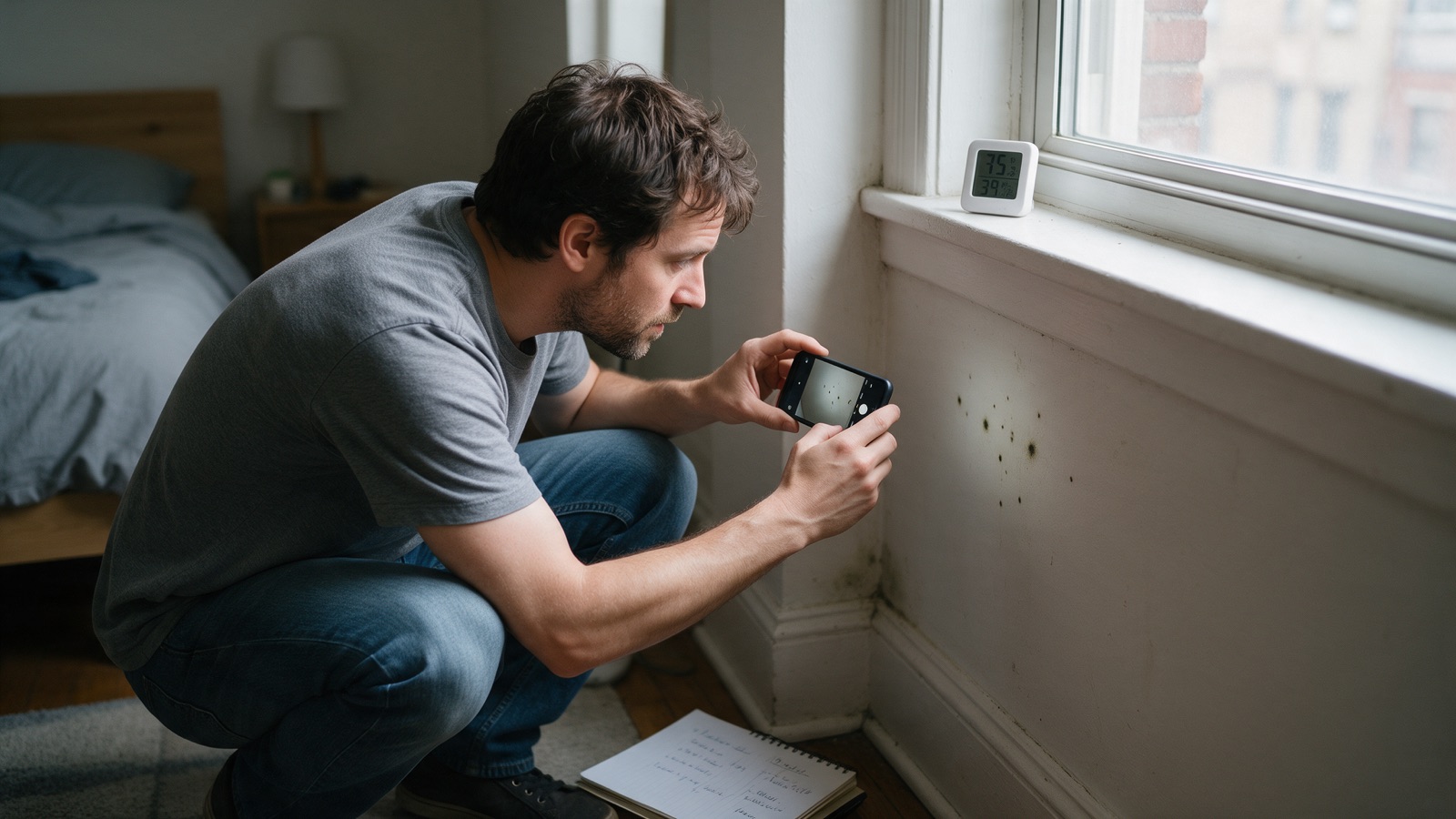
Renting With Mold in DC, Virginia or Maryland: What Your Landlord Must Do
Most rental mold fights are lost on paperwork, not on the law. Here is what a tenant in DC, Virginia, or Maryland can do this week, for under fifty dollars, so the landlord has to act.
Read the guide →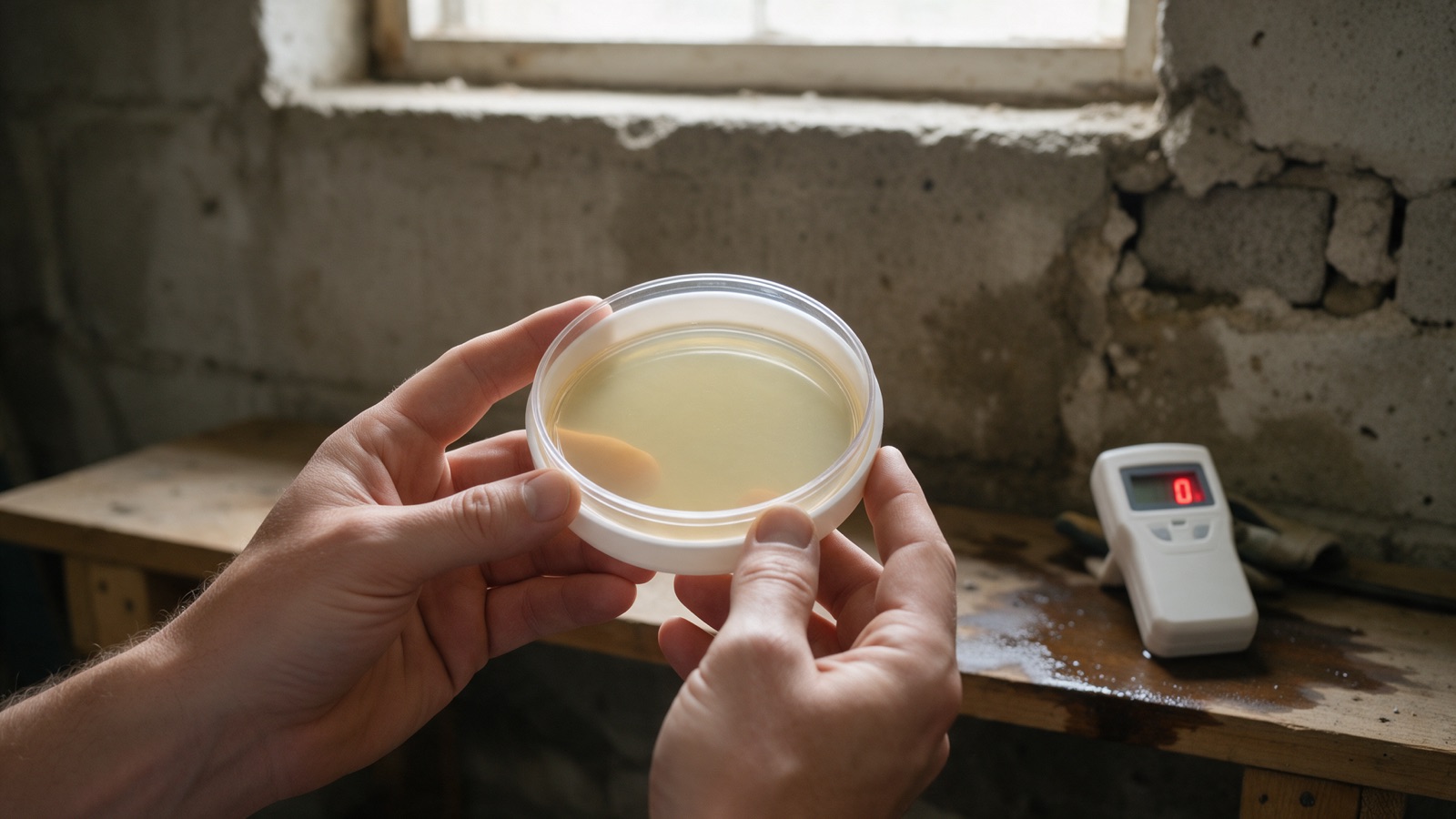
Are Hardware Store Mold Test Kits Worth It? An Honest Answer
A twenty-dollar mold test kit will almost always come back positive, because mold spores are in every house. Here is what the kit can tell you, what it cannot, and the cheaper things to do first.
Read the guide →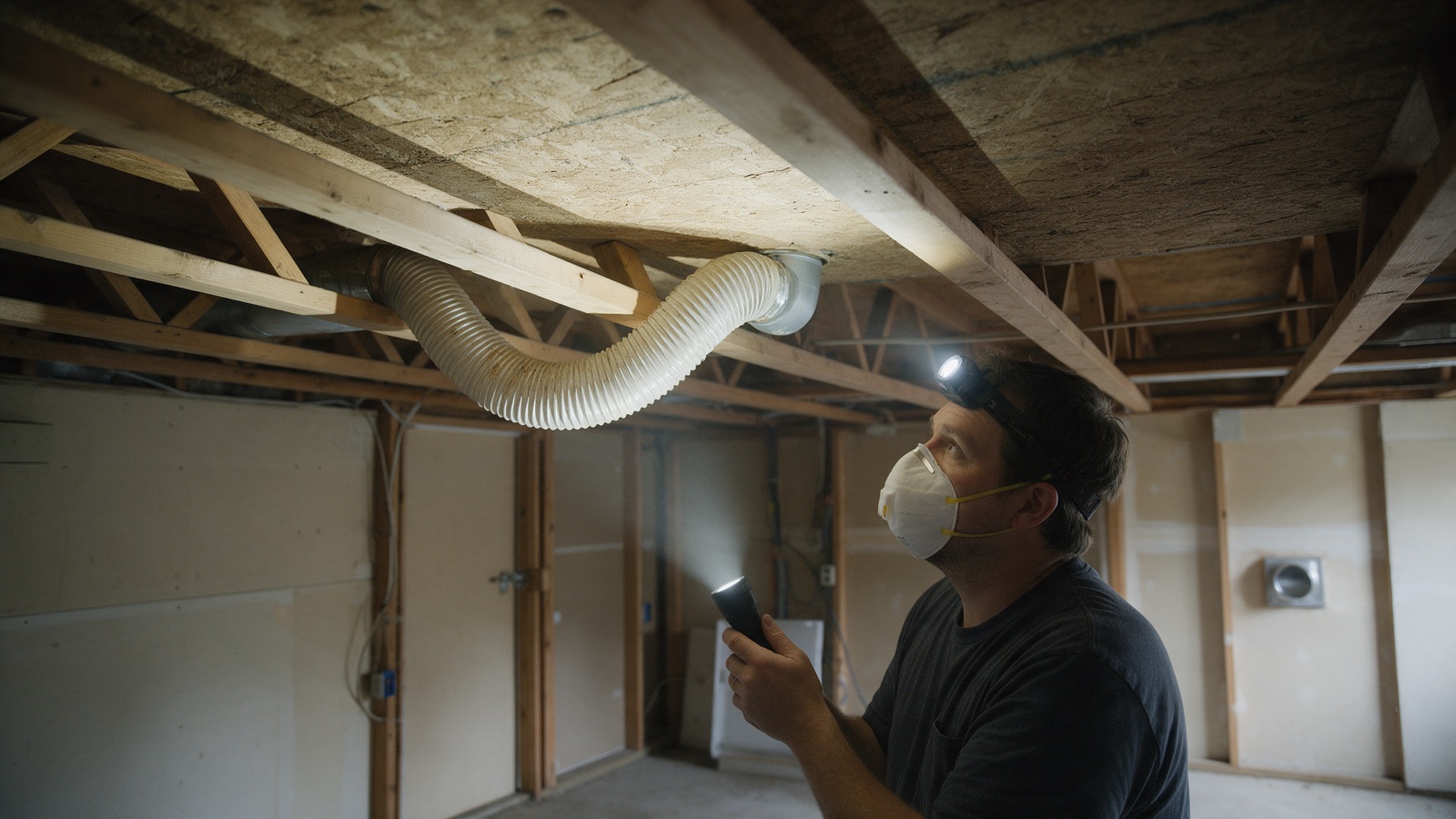
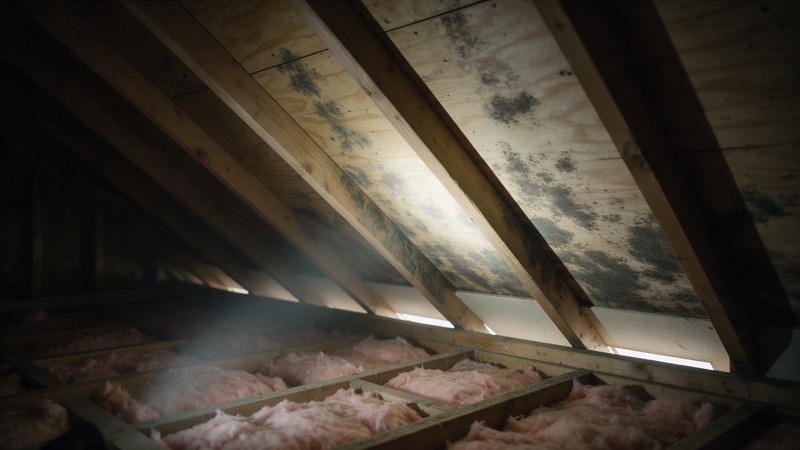
Attic Mold Is Usually Your Bathroom Fan, and Here's How to Check
Before you assume the roof is leaking, look at where your bathroom fan ends. A loose duct in the attic is the most common and cheapest cause of attic mold in this region.
Read the guide →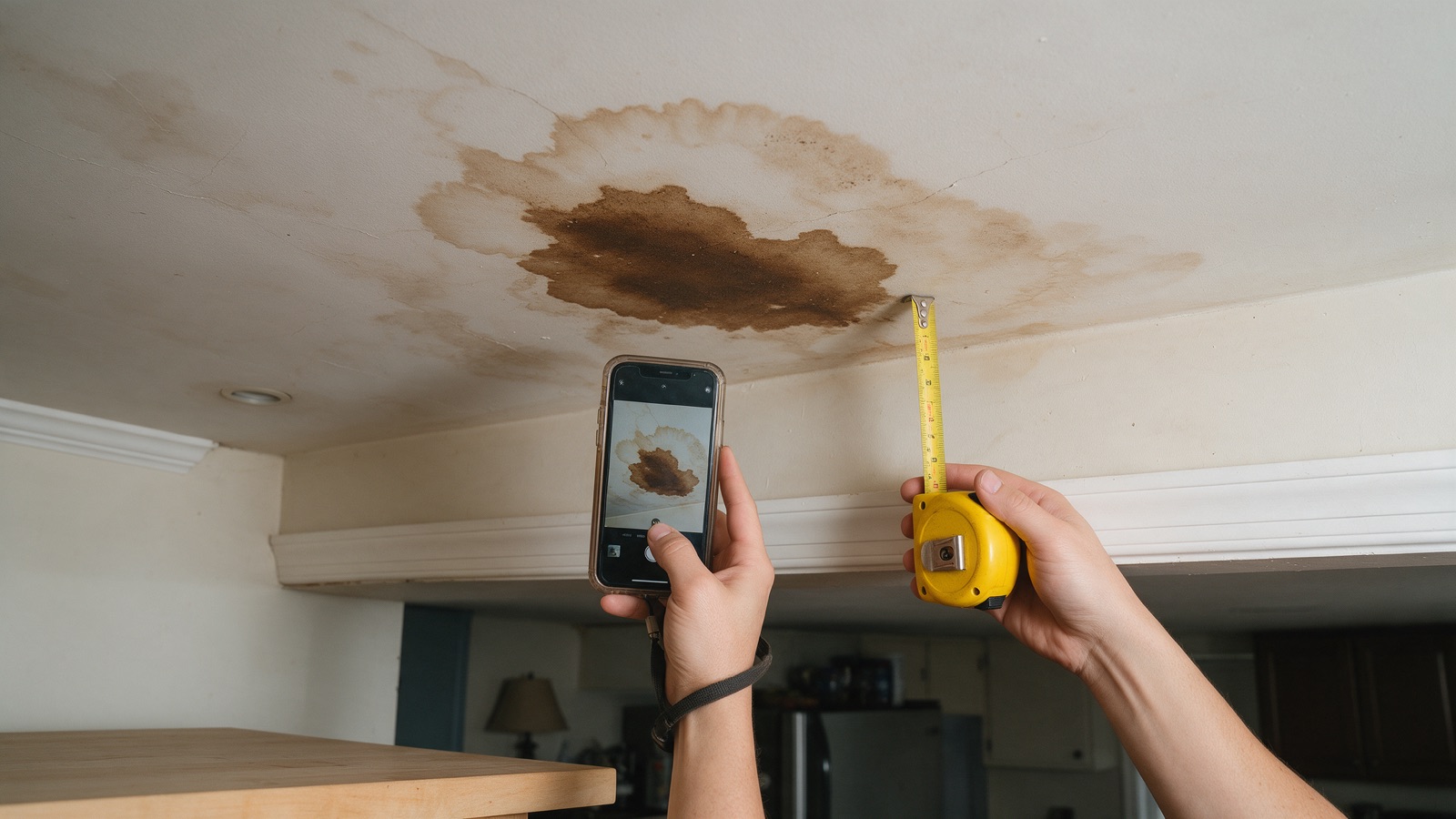
How to Photograph Water Damage So Your Insurer Actually Pays
Adjusters decide coverage on evidence, and most of it disappears the hour someone starts cleaning. Here is the photo and paperwork routine that takes forty minutes and a phone.
Read the guide →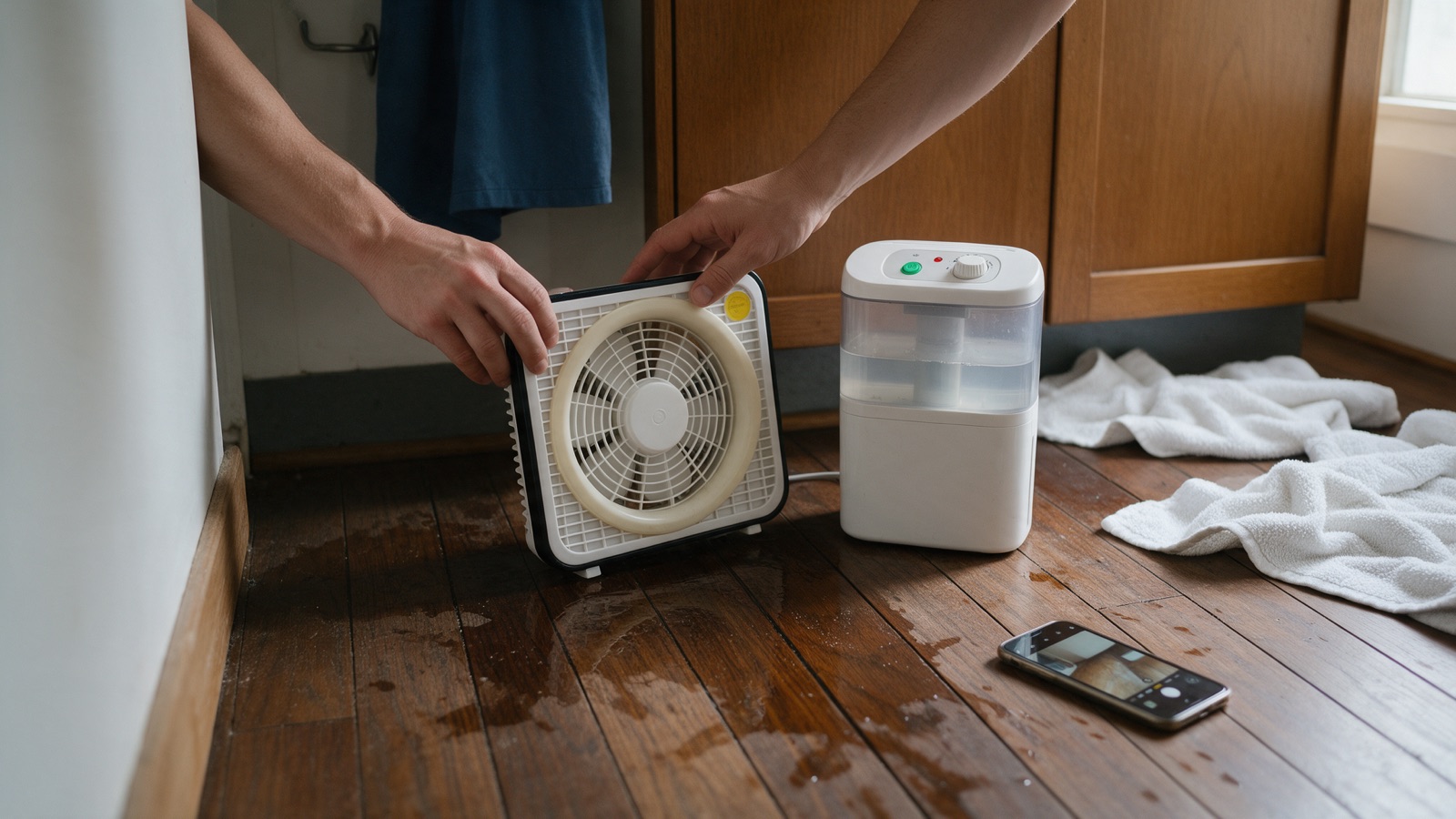
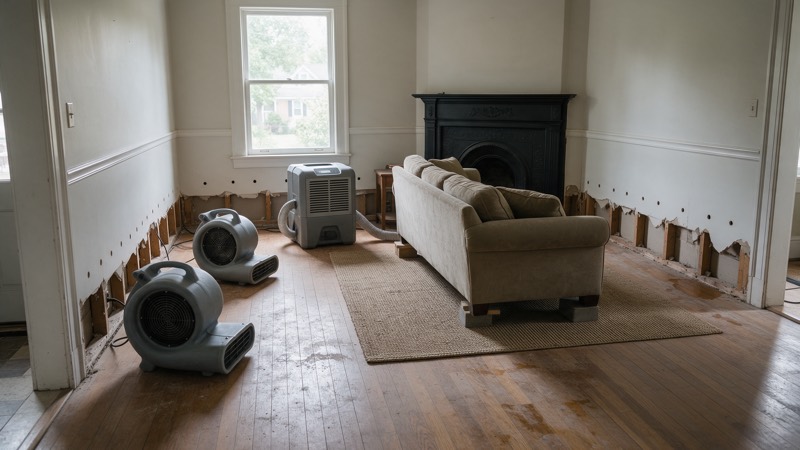
The First 48 Hours After a Leak: A Homeowner's Hour-by-Hour Checklist
Wet building material starts to colonize in roughly 24 to 48 hours. Most small leaks can be dried by a homeowner inside that window, if you know what to do first and what to leave alone.
Read the guide →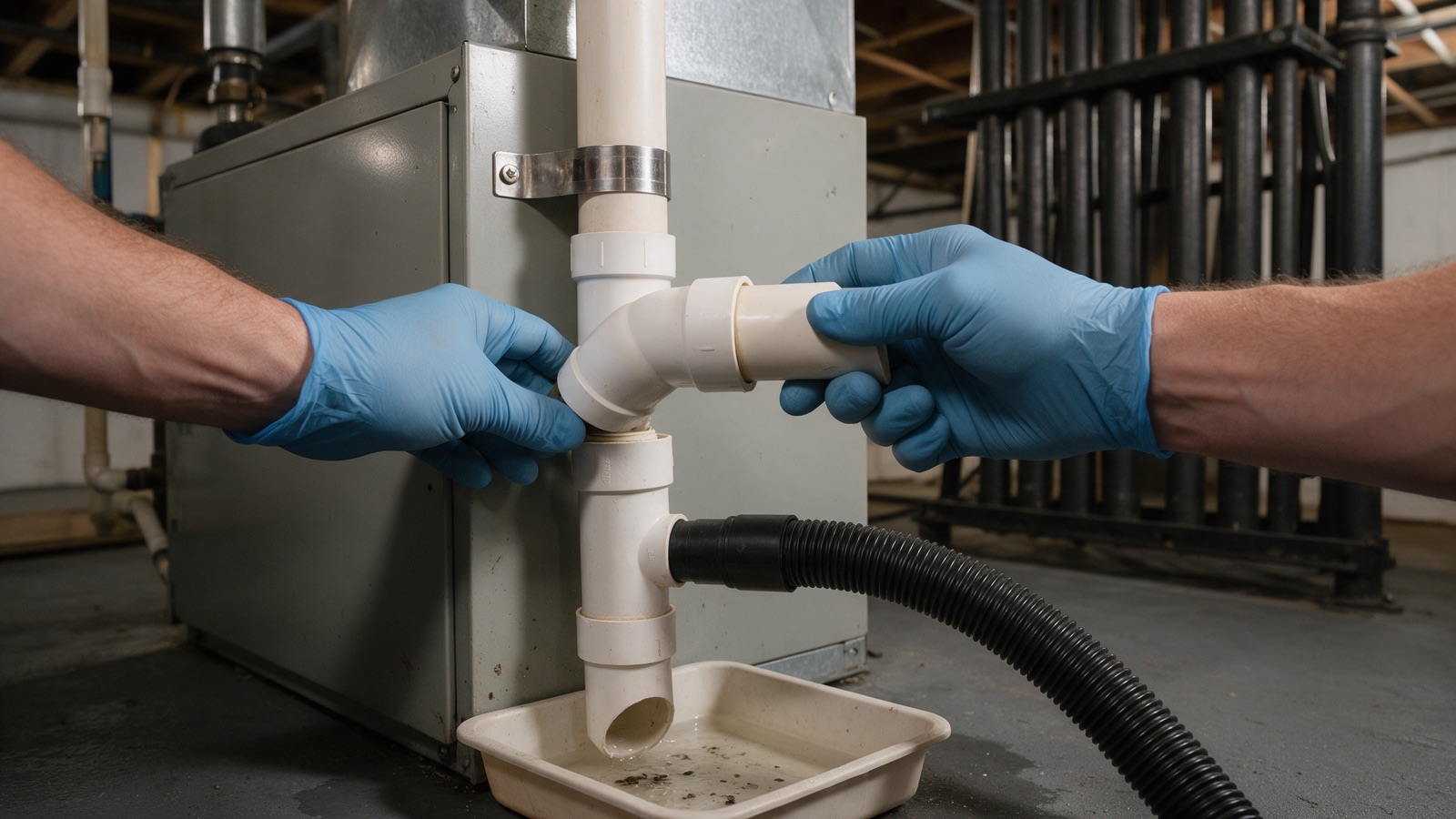
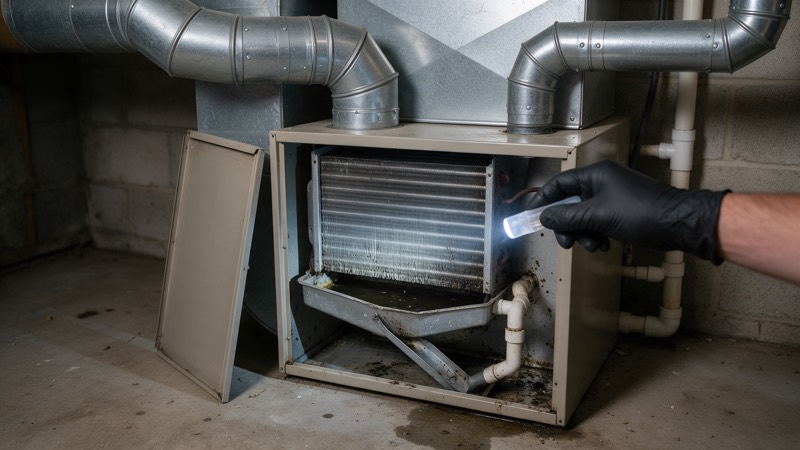
Musty Air When the AC Kicks On: The Condensate Drain You Can Clear Yourself
Most musty-smelling air in a Mid-Atlantic summer traces to a pan that will not drain. The fix is a cheap job and about half an hour. Here is how to do it, and where to stop.
Read the guide →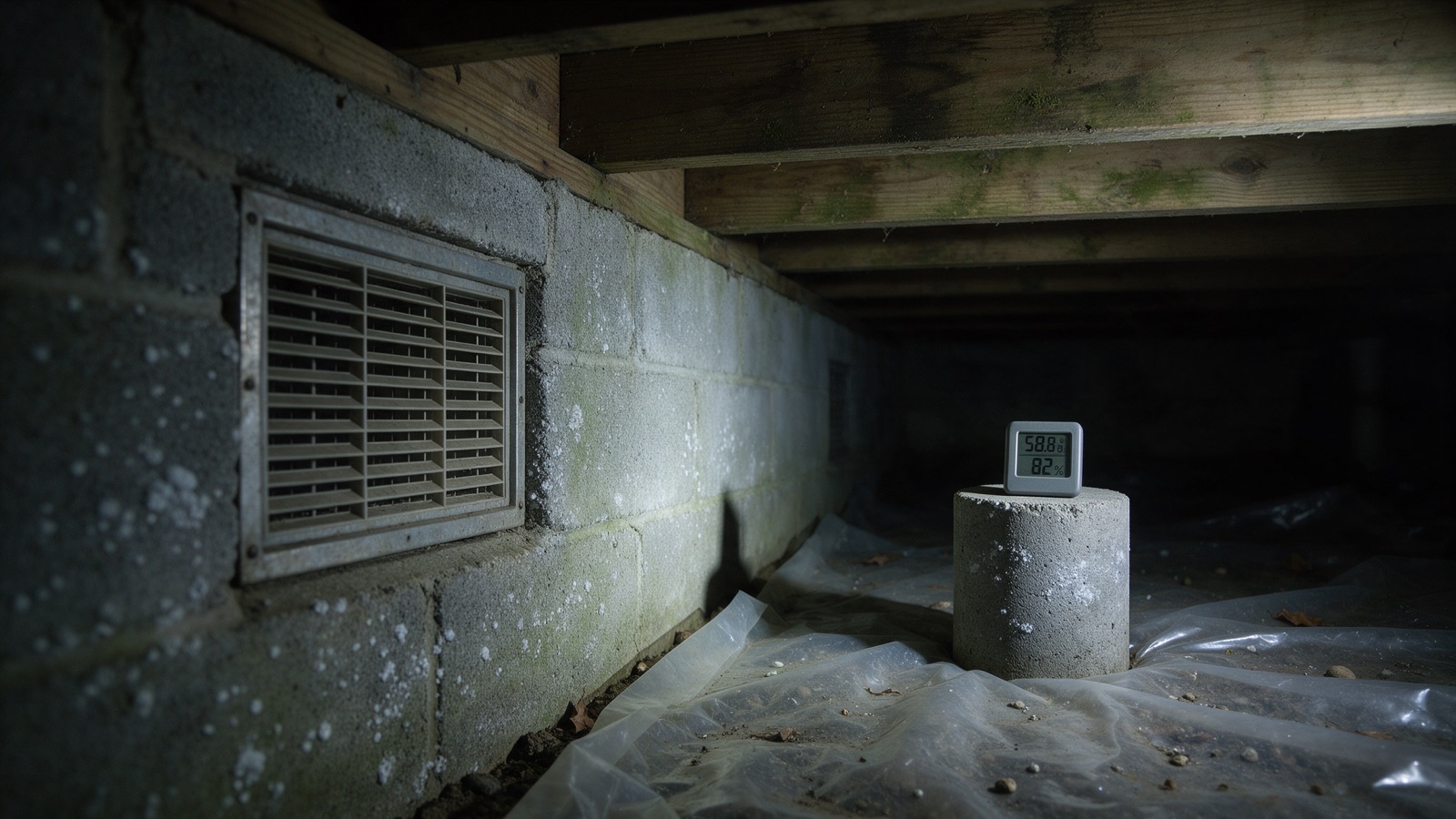
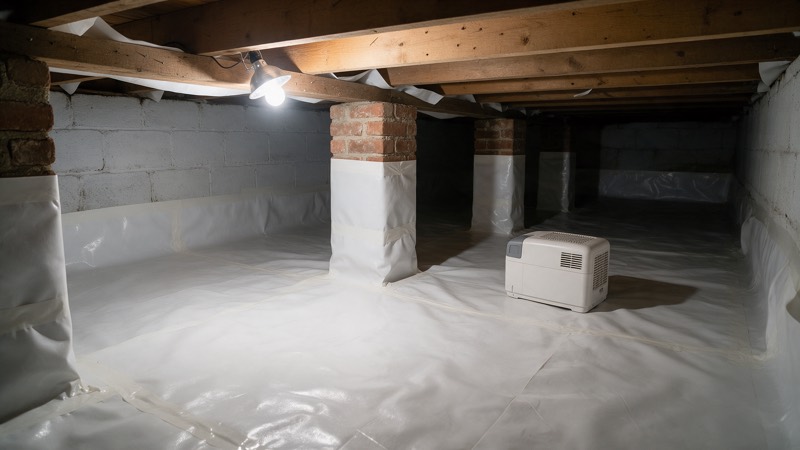
Close Your Crawl Space Vents in Summer: Yes, Really
Everyone was taught that a crawl space needs to breathe. In a Mid-Atlantic July, that advice does the opposite of what it promises. Here is why, and what to do about it this weekend.
Read the guide →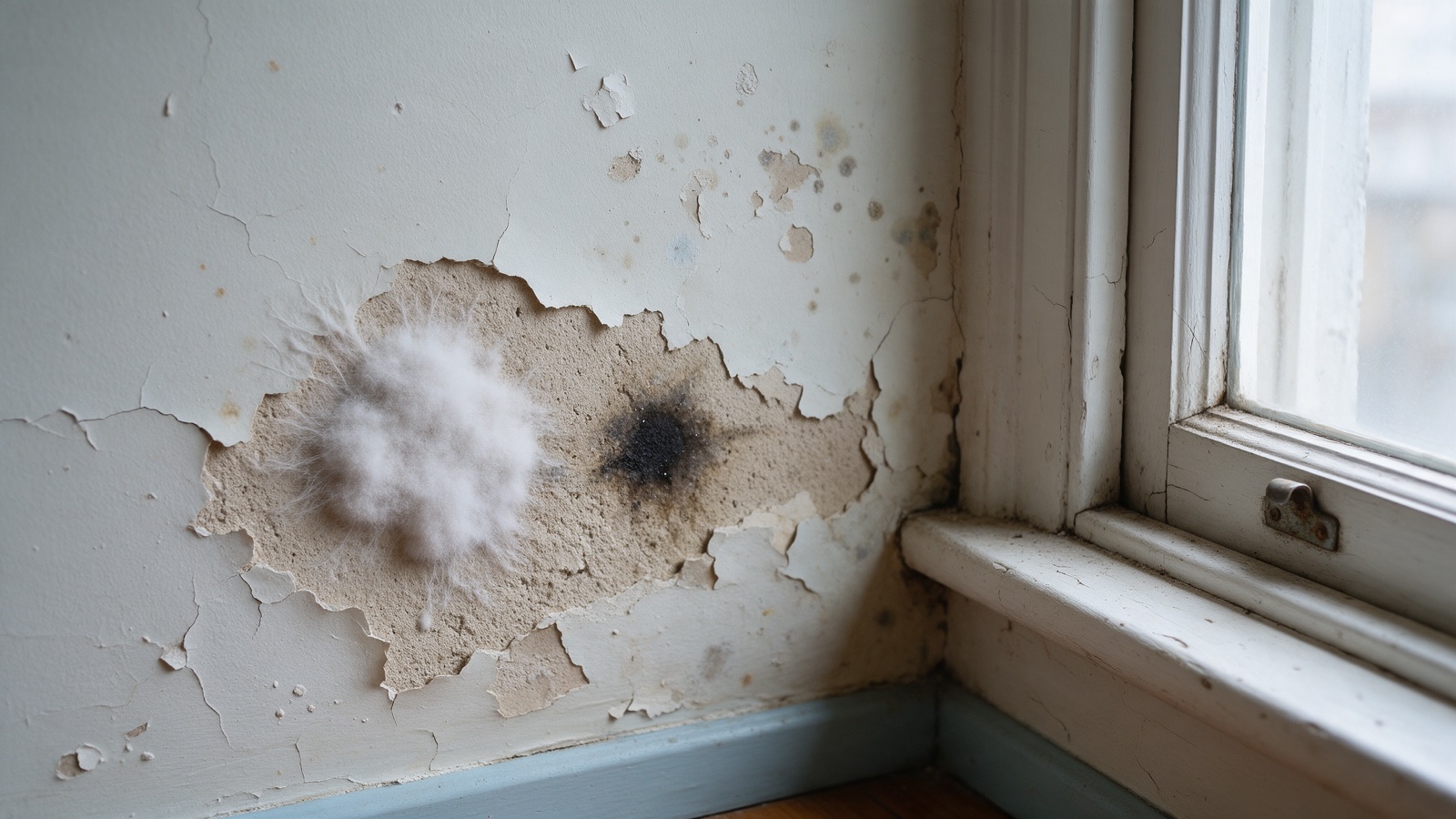
Mold vs Mildew: How to Tell in 10 Seconds and Why It Changes What You Do
Mildew and mold are often the same fungus at different stages, so the word matters less than where the growth sits. Here is how to tell which one you have, what each one needs, and the point where the answer stops being a cleaning job.
Read the guide →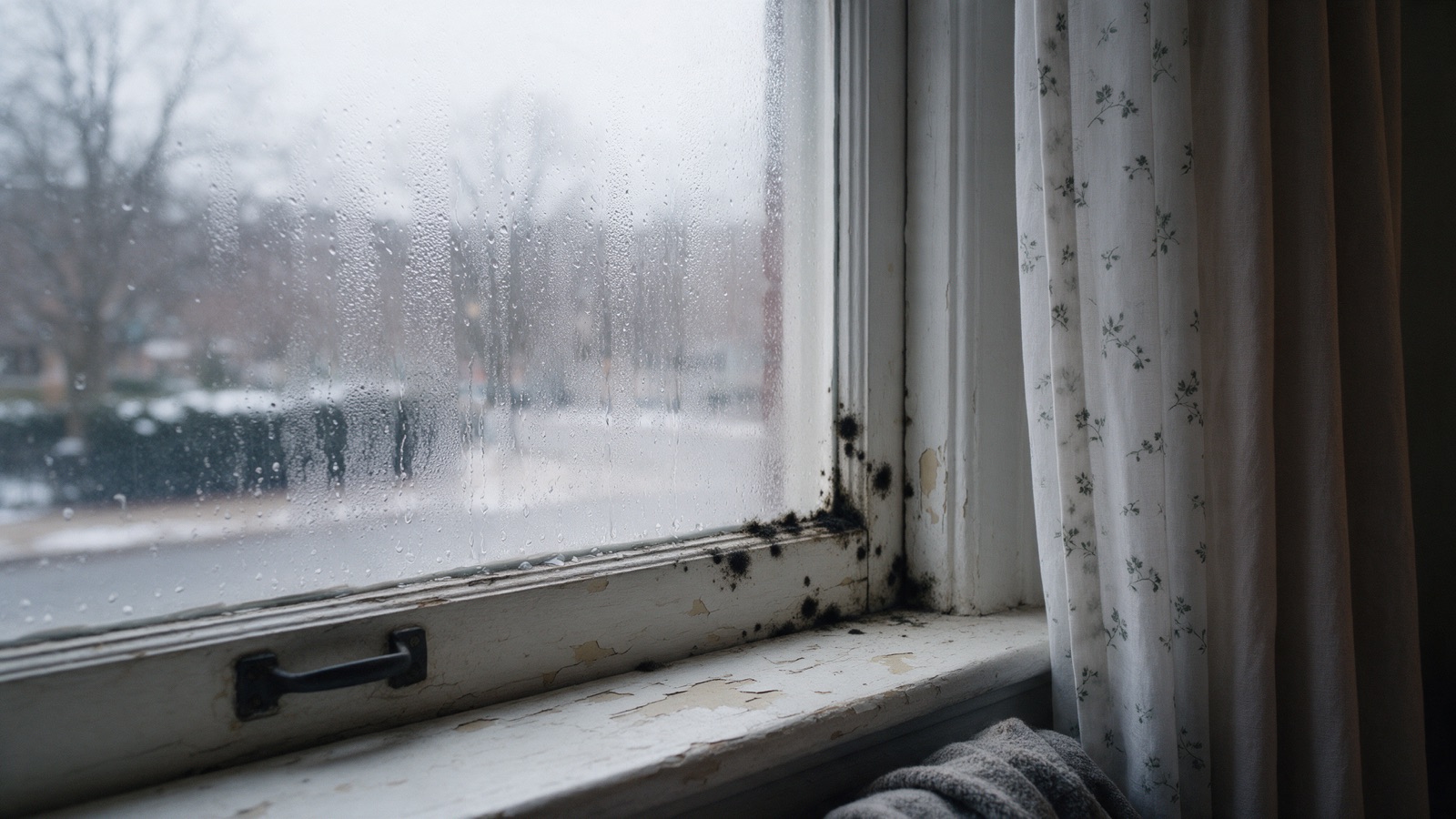
Black Spots on Your Window Sills? Fix the Condensation, Not the Stain
The black along the bottom of the sash is mold, and wiping it off works for about three weeks. The window is sweating every cold night, and until that stops, the spots come back. Here is the fix, in order of cost.
Read the guide →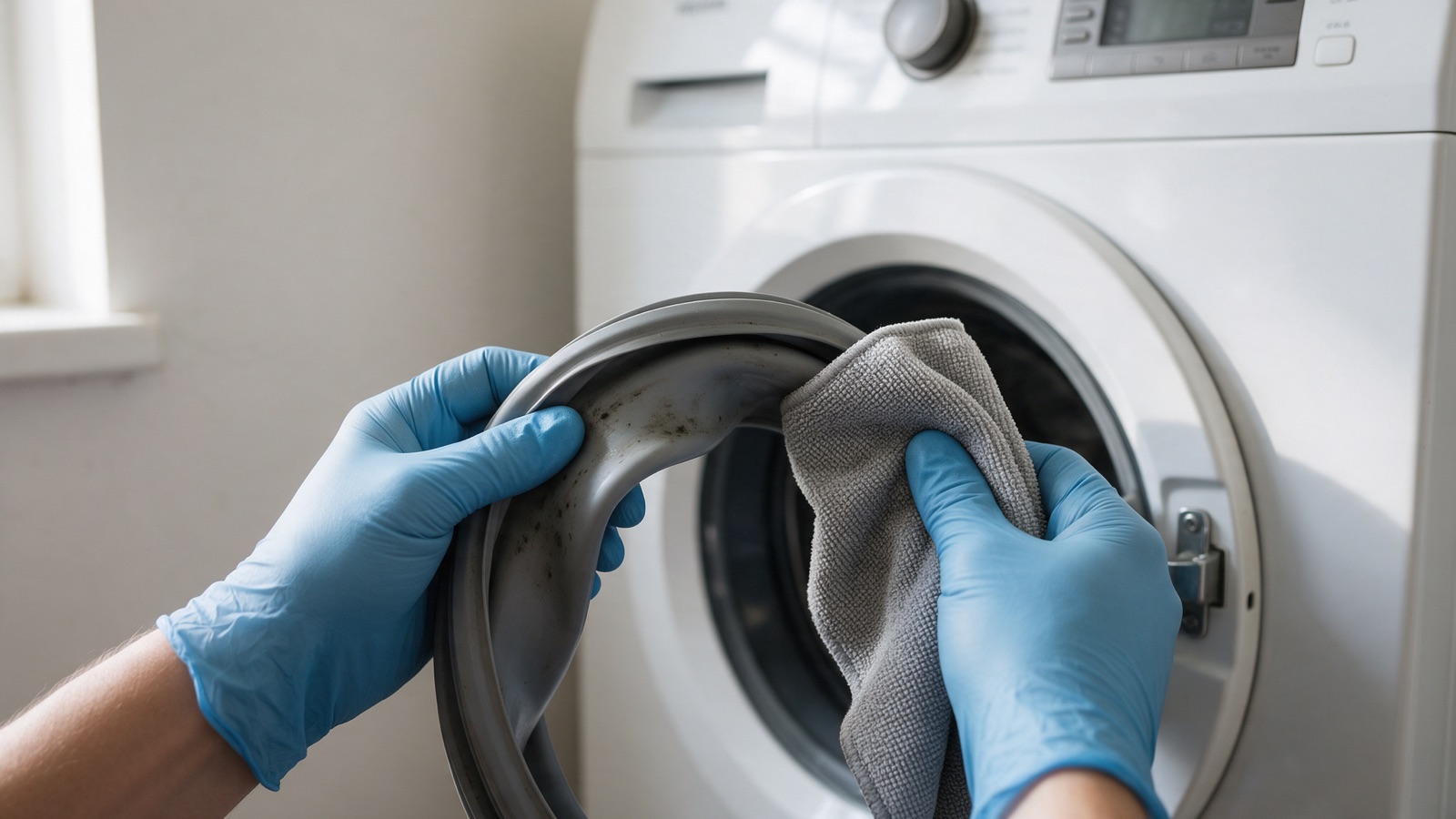
Front-Loader Gasket Mold: Clean It Right and Stop It Coming Back
The black ring inside your washer door is the one mold job we will never bid on. It is yours, it takes forty minutes, and the supplies cost less than a bottle of detergent. Here is how to do it properly, and the handful of habits that mean you only do it once.
Read the guide →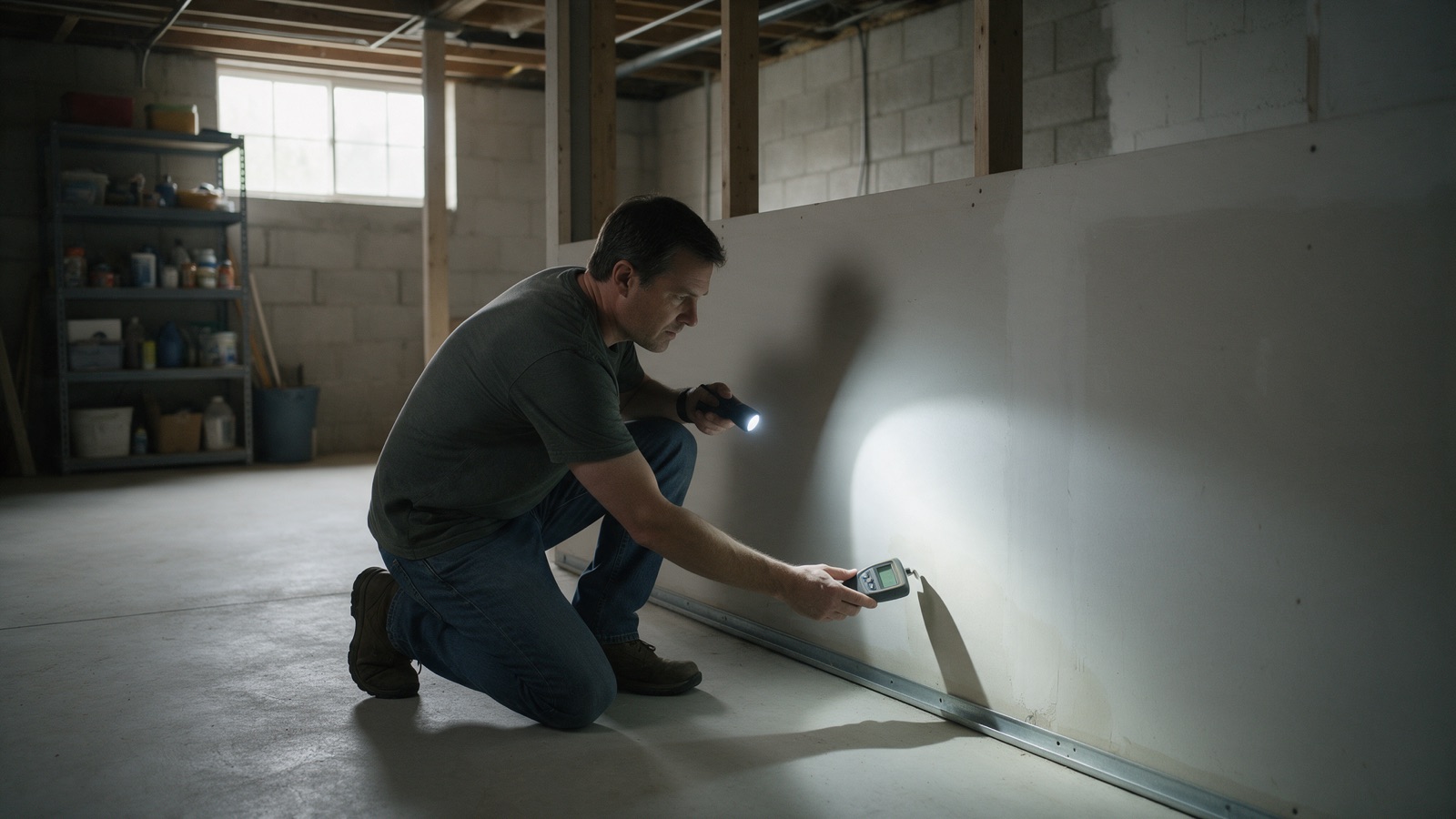
Musty Smell But Nothing Visible: How to Track It Down Yourself
A musty smell with nothing to look at is the most common call we get, and most of the time the homeowner can find the source in an afternoon with a flashlight, a hygrometer, and a methodical nose. Here is the search, in order.
Read the guide →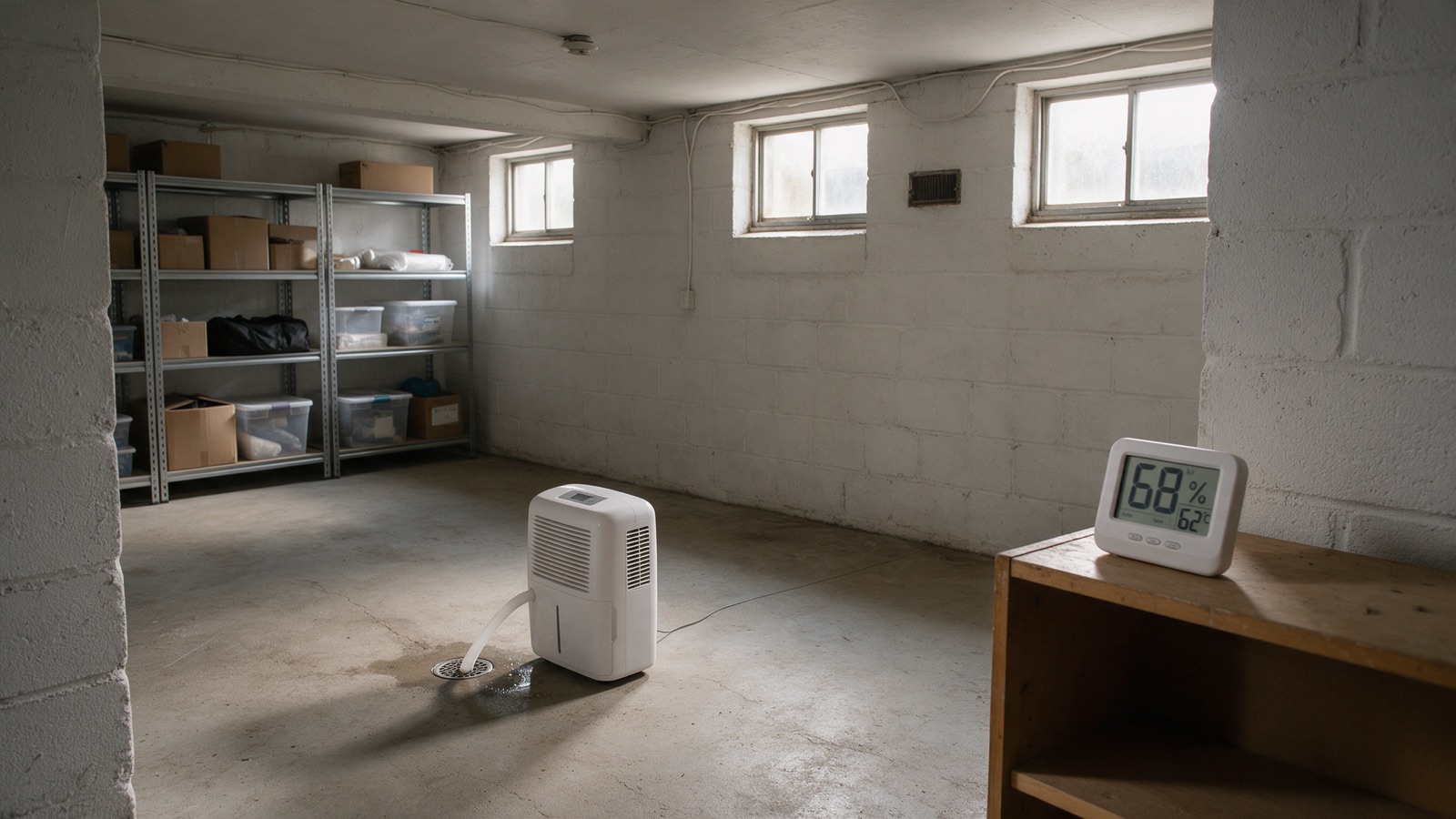
The Cheapest Tool That Prevents Most Basement Mold in the DMV
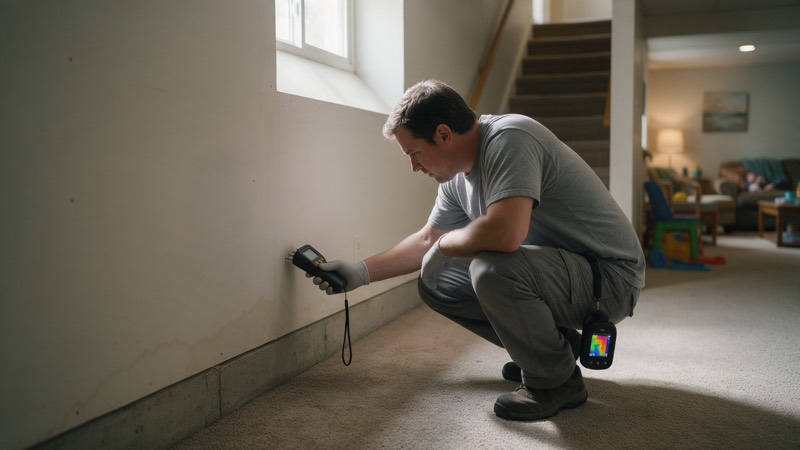
Most basement mold in this region does not start with a leak. It starts with a summer of air sitting above sixty percent humidity that nobody measured. Here is how to measure it, fix it yourself, and spot the cases where the number is telling you something worse.
Read the guide →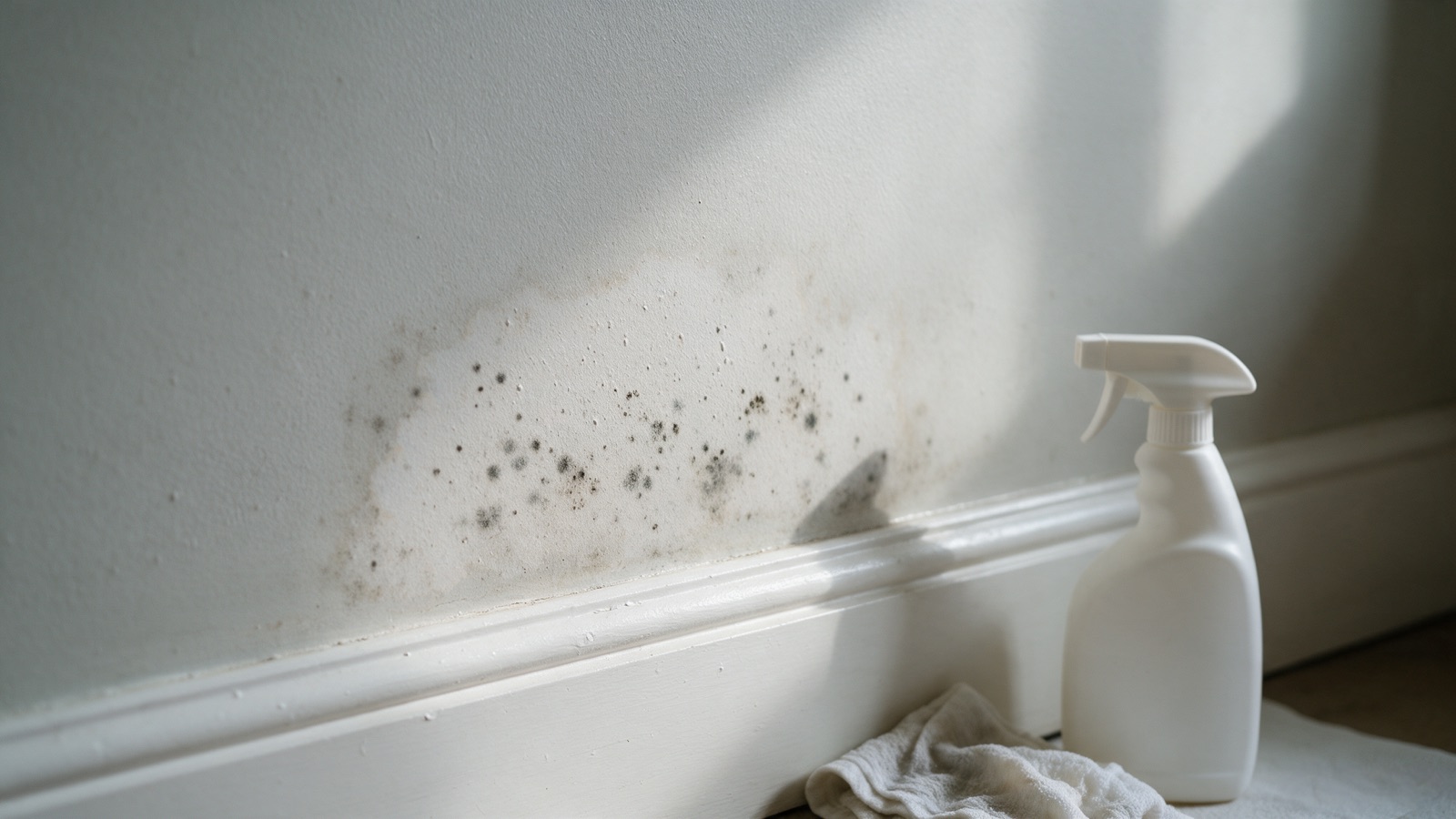
Why Bleach Makes Mold Worse on Drywall (And What to Use Instead)
The stain vanishes, the smell fades for a week, and then the spots come back darker. Here is why bleach does that to drywall, what actually works, and where cleaning stops being the answer.
Read the guide →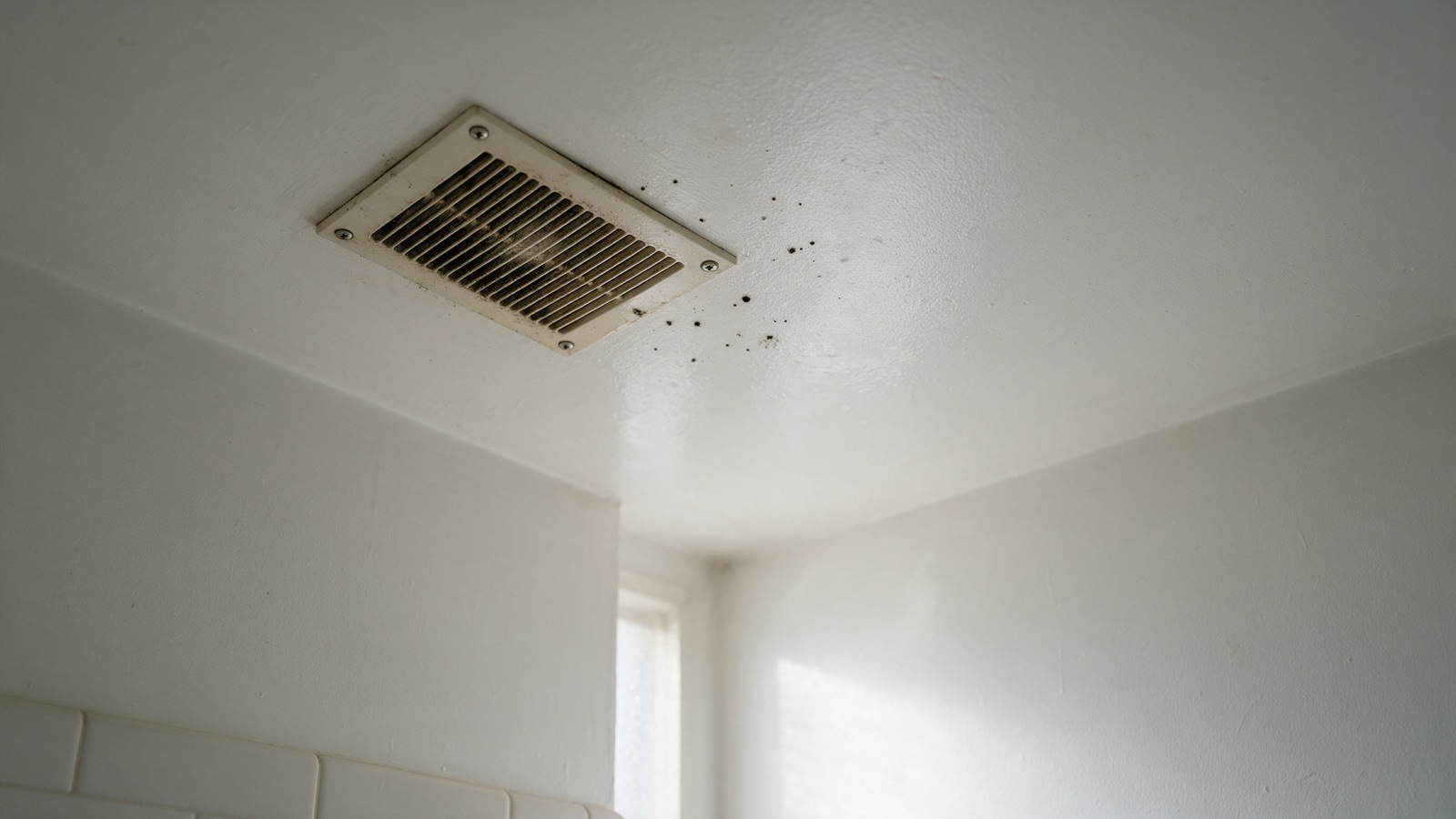
Bathroom Ceiling Mold: The 40-Minute Fix and the Fan Test That Prevents It
Those black specks over the shower are usually steam with nowhere to go. Clean them in forty minutes, then run the toilet paper fan test to find out why they showed up.
Read the guide →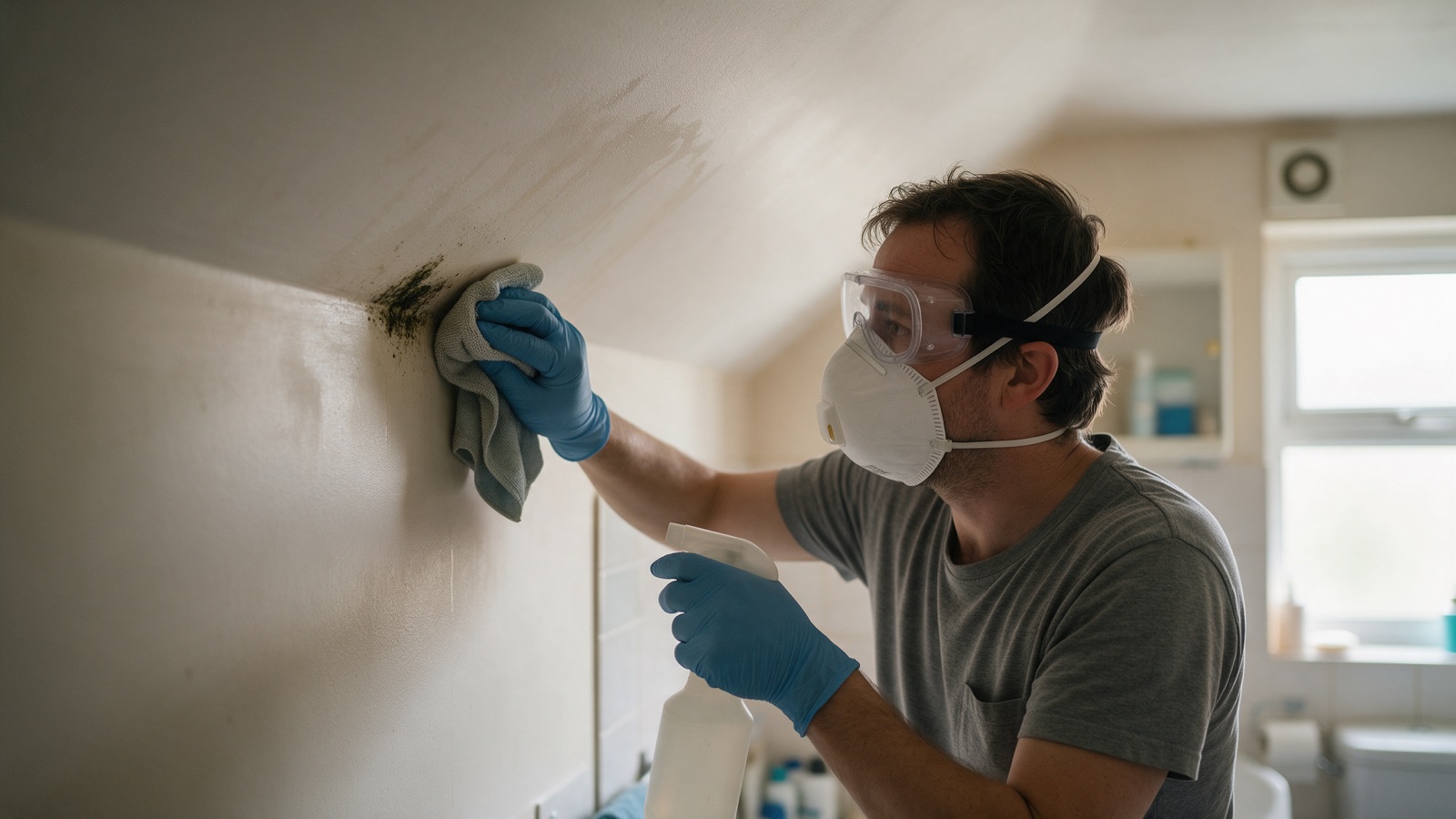
The DIY Mold Playbook: What You Can Safely Clean Yourself — And The Exact Line Where You Stop
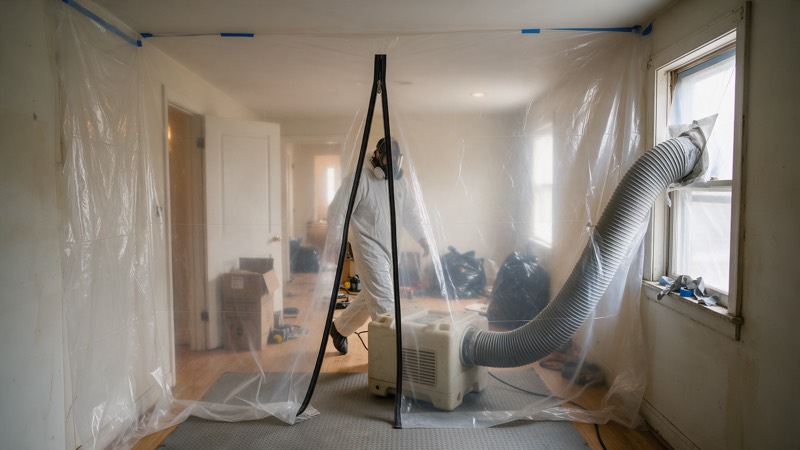
Most of the mold in a Mid-Atlantic house is yours to handle with sixty dollars of supplies and an afternoon. Some of it will cost you five figures if you touch it wrong. Here is exactly where the line sits.
Read the guide →