Renting With Mold in DC, Virginia or Maryland: What Your Landlord Must Do
Some of the mold in a rental really is the tenant's doing. A bathroom fan that never gets switched on, a humidifier running all winter against a cold exterior wall, furniture shoved tight to that same wall: those cause real growth, and a fair landlord will say so. But a lot of what renters in this region live with comes from the building itself, a leaking roof, a failed window flashing, a basement unit cut into damp masonry. The law in all three of our jurisdictions puts that second kind on the landlord. What decides how fast it gets fixed is almost never the statute. It is whether the tenant built a paper trail the landlord cannot ignore.
First, figure out whose moisture it is
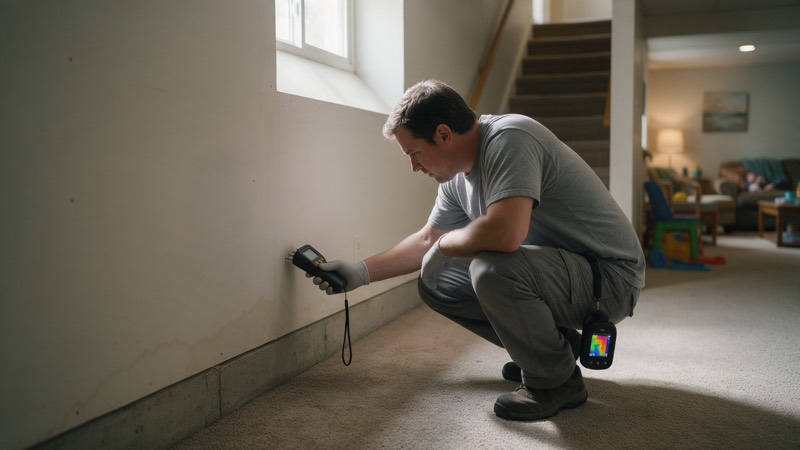
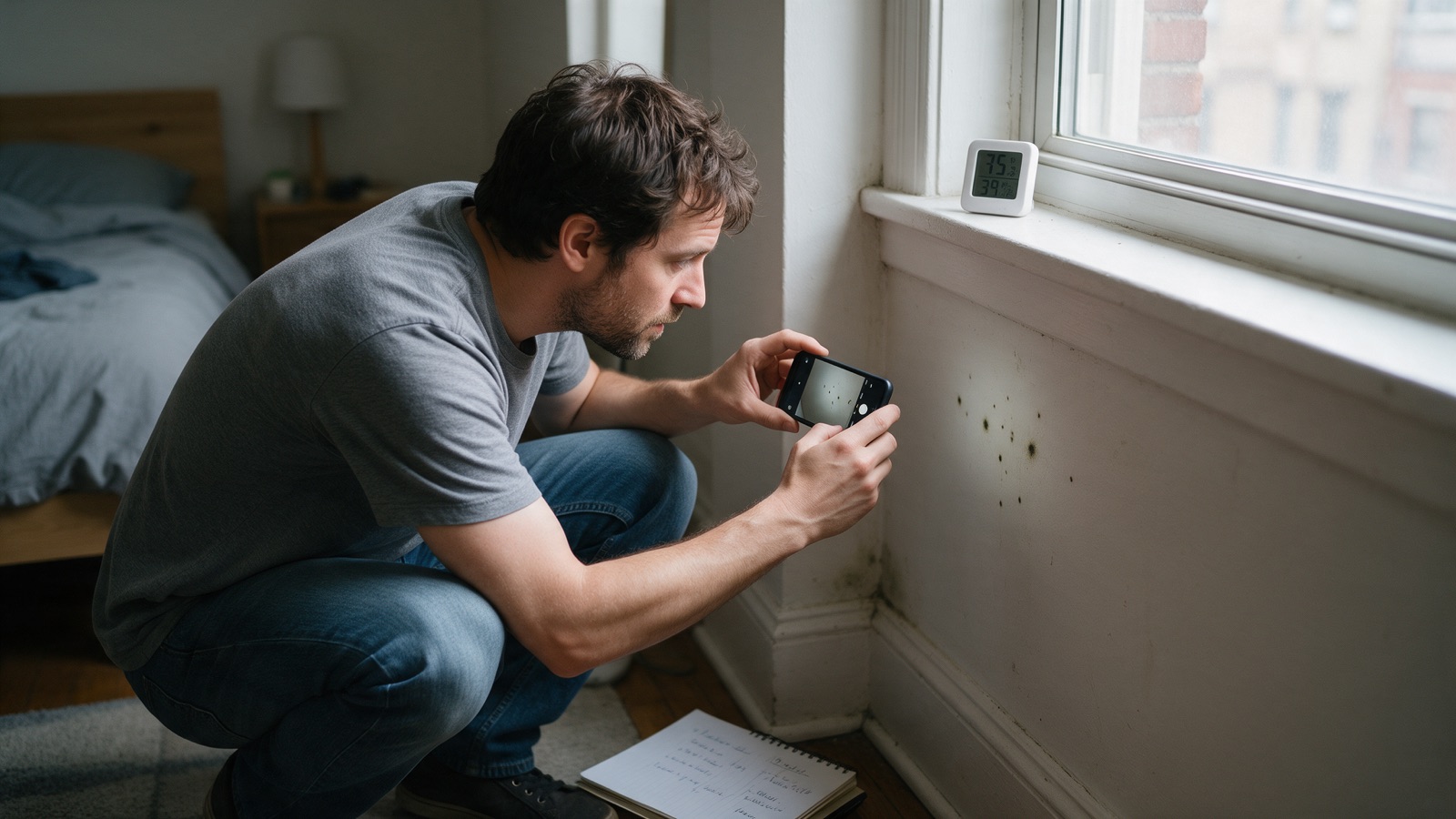
Before you write a single letter, spend a few days working out where the water comes from. It matters for fairness, and it matters for leverage: a notice that says "there is mold behind the dresser" is easy to answer with "open a window." A notice that says "the wall under the bedroom window reads wet after every rain, and the room holds at 68% humidity with the dehumidifier running" is not.
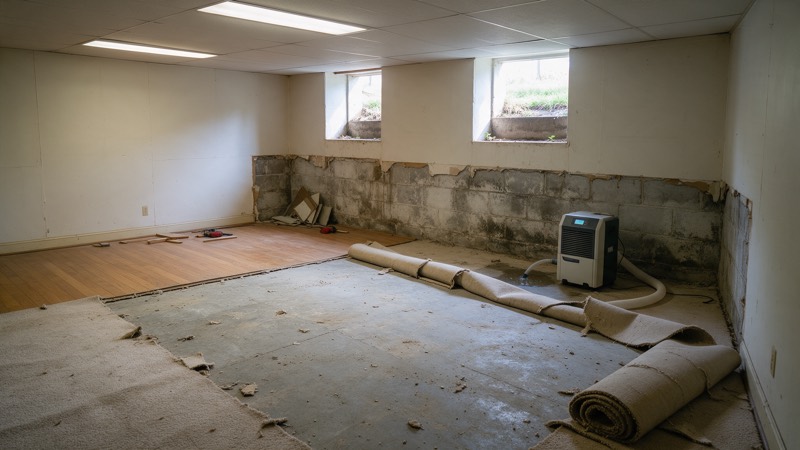
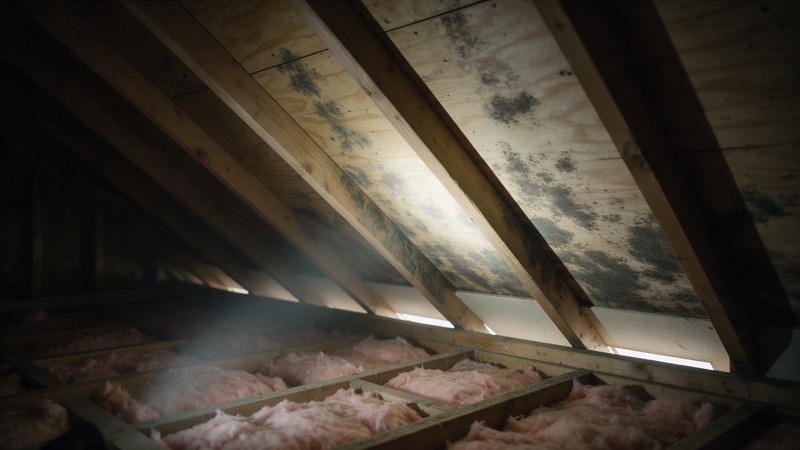
Two patterns point at the building. Growth that appears or spreads after rain, especially high on a wall, at a ceiling corner, or around a window frame, usually means water is getting in from outside. Growth in a below-grade unit that stays damp in dry weather usually means the foundation is wicking ground moisture. Those are building defects, and a tenant cannot fix them.
Two other patterns point at daily habits. Black spotting on the bathroom ceiling that stops at the shower's footprint, and condensation that runs down the inside of windows on cold mornings, are mostly interior humidity. Even then the landlord may share the blame, for example if the bath fan vents into the attic or does not move air at all, which we see often. Our bath fan article shows how to test one with a single square of toilet paper.
What the law asks of a landlord, by jurisdiction
This is a practical summary, not legal advice, and it names the laws rather than quoting section numbers. If you are heading toward withholding rent or ending a lease, talk to a tenant advocate or attorney first. The general shape across all three is the same: serious mold is a habitability problem, written notice from the tenant is what triggers the landlord's duty, and documentation decides disputes.
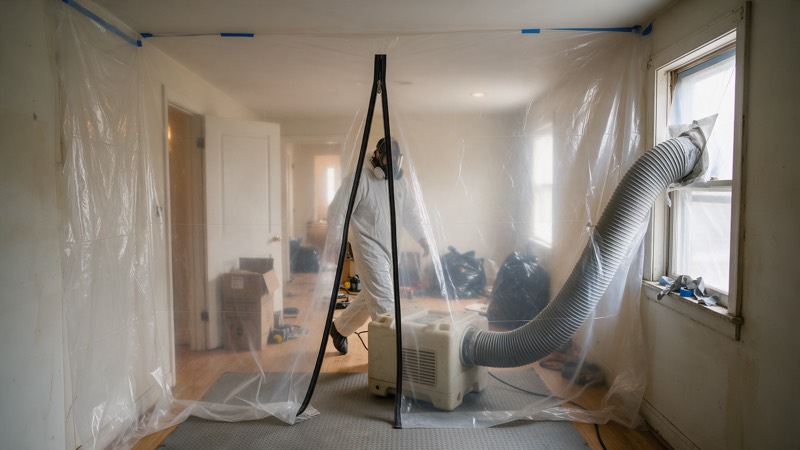
Washington, DC. The District is the strictest of the three. DC housing code treats mold as a habitability defect, and the Mold Assessment and Remediation Act sets a window for a landlord to assess and remediate after receiving written notice from a tenant. The same Act requires remediation of more than ten square feet to be done by a professional licensed by the Department of Energy and Environment, and it separates the company that assesses the problem from the company that removes it. More on how that plays out in our DC page.
Virginia. The Virginia Residential Landlord and Tenant Act is unusually specific about mold. A landlord must disclose visible evidence of mold in the written move-in inspection report, and where mold is present and not remediated, a tenant has the right to terminate the tenancy. Virginia does not license mold work as its own trade, so the quality of the remediation and the clearance report carries a lot of weight. See our Northern Virginia page.
Maryland. Maryland law treats serious mold as a condition affecting habitability, and county housing codes, Montgomery County's in particular, give tenants a route to enforcement when a landlord does not act on written notice. County code enforcement inspectors are often the fastest lever a Maryland renter has. Details on our Maryland page.
Read your lease before you clean anything
Many DMV leases include a mold addendum that asks tenants to report growth promptly and to keep up with routine moisture control. Following it costs you nothing and removes the landlord's easiest argument. If the addendum says to report before cleaning, report first.
The notice letter that actually starts the clock
A text to the property manager is better than nothing, but in every one of these jurisdictions the thing that counts is notice in writing that you can prove was delivered. Use whatever method your lease specifies, and keep a copy. If the lease is silent, send it two ways: through the tenant portal or by email to the address on your lease, and by mail with tracking. Then keep every reply.
- Date it and identify the unitYour name, the address and unit number, and today's date at the top. Sounds obvious; undated notices are the most common thing we see in tenant files.
- Describe what and where, in plain words"Dark growth about two feet by one foot on the drywall below the bedroom window, northeast corner." Give a size estimate and every location, including closets and behind furniture.
- Say what you have observed about waterWet readings after rain, a ceiling stain that grows, a musty smell when the heat runs, humidity numbers from your hygrometer. Stick to observations. Do not diagnose the cause, and do not describe medical symptoms as a diagnosis.
- Attach dated photosA wide shot showing the room, a close-up, and something for scale in each. Note the date each photo was taken.
- Ask for a specific next stepRequest that the landlord inspect, identify the water source, and remediate. Ask to be told in writing when someone will come. A polite, specific request is much harder to stall than an angry, vague one.
- Keep a log from here onOne page, dated entries: when you sent notice, every reply, every visit, every new spot. This log is what a housing inspector, a judge, or an insurer will read first.
What a tenant can safely do this week

None of this replaces the landlord's duty to fix a building defect. It keeps you healthier in the meantime, strengthens your documentation, and keeps the problem from spreading while you wait.
- Put a hygrometer in the worst room. Write the reading down morning and evening for a week. Numbers that sit above 60% with normal ventilation are hard evidence that something structural is going on.
- Pull furniture four to six inches off exterior walls. Cold walls plus trapped air is where hidden growth starts. Look behind beds, dressers, and in the back corners of closets while you are there.
- Run the bath fan, and run it longer. Twenty minutes after a shower, not just during it. If the fan does not hold a square of tissue against the grille, report that in writing too.
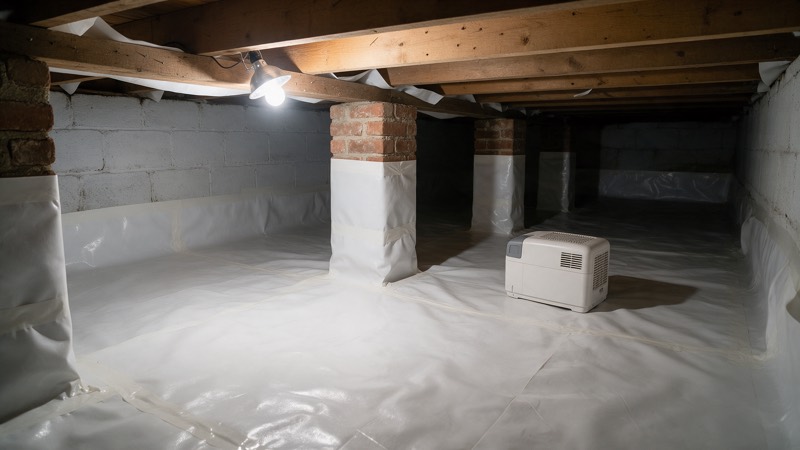
- Rent or borrow a dehumidifier for a basement unit. It will not fix wicking masonry, but it slows growth, and the water it pulls out every day is worth photographing for your log.
- Clean small hard-surface spots, after photographing them. Mildew on tile grout, a window sill, or a sealed shower surround is ordinary tenant upkeep. Detergent, water, a brush, gloves and an N95, then dry it fast. Our DIY mold playbook walks through the full method.
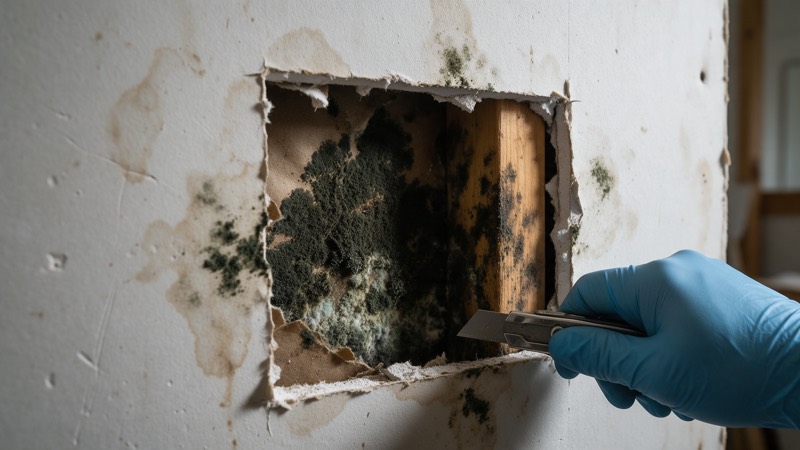
Do not cut, scrape, or bleach drywall in a rental
Opening a wall or scrubbing porous material spreads spores through the unit and can make you look responsible for damage. In DC, remediation over ten square feet legally needs a licensed professional anyway. Clean hard surfaces, document everything else, and let the landlord handle the material.
What it costs
The good news for renters is that the expensive part, the remediation itself, is normally the landlord's bill when the cause is the building. What a tenant may choose to pay for is documentation: a few supplies to keep the unit livable, and sometimes an independent assessment when the landlord disputes that there is a problem at all. Here is how the options compare, using the same professional ranges we publish on our inspection page.
| Situation | Doing it yourself | Hiring it out | Typical cost |
|---|---|---|---|
| Tracking humidity for your notice letter | Digital hygrometer, log readings twice a day | Not needed | $10–$12 |
| Cleaning small mildew on grout, sills, or tile | Detergent, brush, gloves, N95s, bags | Landlord's maintenance call | $40–$60 in supplies |
| Keeping a damp basement unit livable while you wait | 50-pint dehumidifier, buy or borrow | Landlord's job to fix the source | $200–$350 |
| Proving there is mold the landlord disputes | Photos, log, hygrometer readings | Air sampling, three samples plus outdoor control | $350–$600 |
| Mold suspected but not visible | Tape-lift on a suspicious surface is still a pro job | Surface or tape-lift sample, per sample | $75–$150 |
| A document a court or housing inspector will respect | Your dated log and letters | Full written assessment with protocol | $500–$1,200 |
| Confirming the landlord's fix actually worked | Watch for regrowth, keep logging humidity | Independent post-remediation clearance | $450–$800 |
| The remediation itself (for reference) | Not a tenant job beyond small hard-surface spots | Contained under 10 sq ft to single room | $600–$4,000 |
Whether a tenant can recover what they spend on testing depends on the lease, the jurisdiction, and the outcome. Keep every receipt. Typical range for this market — not a quote. Every property is different, and the number that matters is the written scope you get after the free inspection.
A visual inspection with moisture mapping is free from us, for either side of a rental. For a lot of tenants that, plus their own log, is enough to move a landlord without paying for lab work.
When a lab test is worth your money
If you can see growth, a lab test usually tells you a species name and not much else. The response is the same either way: find the water, remove the affected material, verify. Spending several hundred dollars to prove something both sides can see is rarely the best use of a renter's money.
Testing earns its cost in three situations. The landlord denies there is a problem and you can smell it but not see it. You are preparing to end a lease or go before a housing inspector and want an independent document. Or the landlord says the work is done, the smell is still there, and you want proof one way or the other. In that last case, ask whether the landlord already commissioned clearance testing; under the DC Act and as a matter of good practice everywhere, clearance should come from someone other than the company that did the work.
Our honest take on store-bought kits is in the test kit article. Short version: a settle plate on the counter almost always grows something, which proves very little in a dispute.
When the landlord stalls
Most landlords act once they have dated, specific written notice with photos. Some do not. The next steps depend on where you live, and the right order matters, so take them in this sequence.
- Send a short follow-up in writing referencing your first notice by date. Keep it factual. Note anything that has gotten worse.
- Call your local housing code enforcement office. DC, the Virginia localities, and the Maryland counties all have inspectors who handle habitability complaints. An inspector's report is independent and carries weight.
- Talk to a tenant advocate or attorney before withholding rent, paying into escrow, breaking a lease, or making repairs and deducting the cost. Each jurisdiction has specific procedures for these, and getting the procedure wrong can cost you the case even when you are right about the mold.
- Keep paying rent and keep logging unless an advocate or attorney tells you otherwise. A clean payment record and a thorough log are the strongest position a tenant can be in.
Health concerns: what to say and what not to
Tenants often report headaches, congestion, or worse asthma that eases when they are away from the unit. It is reasonable to note in your log that symptoms seem tied to time spent in the apartment. It is not reasonable for a landlord, a contractor, or a blog to diagnose them. If you or someone in the household is having symptoms, see a doctor and tell them about the mold. A note from your physician is a far stronger document than anything you write about your own health.
When to stop handling it yourself and call
Stop DIY and get a professional involved if the growth covers more than about ten square feet, if it is on drywall, carpet, or ceiling tile, if the musty smell gets stronger when the heat or air conditioning runs, if water came from a sewage backup or a flood, or if anyone in the unit is an infant, pregnant, immunocompromised, or has significant asthma. Call 202-798-7663 or book a free visual inspection online. We work for tenants, landlords, and property managers, and the documentation is the same whichever side calls.
If you are the landlord reading this
Everything above works in your favor too. A landlord who responds to written notice quickly, gets an independent assessment on the record, fixes the water source rather than painting over the stain, and holds a clearance report at the end is in a very strong position if the tenant later disputes it. The expensive outcomes, in all three jurisdictions, come from undocumented delay. A remediation done once, with paperwork, is cheaper than the same remediation done after a code complaint.
The short version
Work out whose moisture it is. Put your notice in writing, with dates and photos, and keep a log. Handle small hard-surface spots yourself and leave walls and ceilings to the landlord. Pay for testing only when it settles a real dispute. And if the landlord will not act, go to code enforcement and an advocate before you do anything with your rent. In DC, Virginia, and Maryland alike, the tenant with the better paper trail usually gets the faster repair.
Not sure which side of the line you are on?
The inspection is free and we will tell you honestly if it is a job you can do yourself.